1. Introduction
High school is an evolutionary period in every young person's life, full of opportunities and challenges, growth and confusion. As a parent, you are heavily involved in shaping the experiences of your child through those critical years.

How do you guide them to discover their passions, get ready for the future, and develop into well-rounded individuals without imposing undue pressure on them?
As in the movie Dead Poets Society, a discussion ensues on how parents can guide their high schoolers through this transition.
2. Your Role as a Parent in High School Education
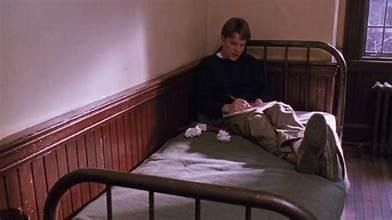
“In Dead Poets Society, we find Neil Perry, a bright and enthusiastic student, succumbing to expectations his father has from him. His father wants Neil to become a doctor, and dismisses his son's dream to pursue acting. The inability of Neil to meet the rigid ambitions of his father and his personal aspirations leads to tragic ends.”
Though the story is fictitious, it has many real-life incidents in which well-meaning parents, in their anxiety for their child's future, unknowingly pressurize their children to an incredible amount.
Being parents, one wants the best for their children. But you have to temper your guidance by giving them the freedom to pursue what interests them and carve their niche. The following tips, inspired by the movie and real-life experiences, will help you provide a conducive, supportive environment for the child.
3. Encourage Scrutiny, Not Perfection

One of the many key messages from Dead Poets Society is the importance of investigation and self-discovery.
“The iconic teacher of the movie, John Keating-played by Robin Williams-urged his students to "seize the day" and make their lives extra special. Keating's very unorthodox teaching methods thrust students to think independently and investigate new ideas beyond the strictures of the traditional curriculum.”
You can create an atmosphere where your child will remain free to explore his or her interests without the fear of failure. It does not mean that one should not be academically disciplined, but support the child as he or she tests different subjects, extra-curricular activities, and hobbies. If your child is interested in the arts, science, some kind of sport, or even literature, let him or her take up these interests.
You teach your child a very important lesson that education is not all about getting good grades; instead, it is about self-discovery-surfing into one's identity and passion. This is added value.
4. Don’t Impose Your Own Dreams!
A huge theme running throughout Dead Poets Society is the battle that occurs between individual dreams and external expectations.

“Neil's father is an extremely typical parental reaction to everything: he wants the best for his child, based on either personal experiences or societal norms and standards. Yet parents who insist upon imposing their own dreams may be stifling their child's growth and building resentment or disengagement towards their education.”
Instead of pointing your child in one particular direction or another regarding career or field of study, have open discussions about their aspirations. Encourage them to share why they would be excited about certain subjects or careers. It's natural to offer advice, but try not to listen with judgment or by projecting your desires onto their choices.
Practical Parenting Tip:
Open-ended questions include things like, 'What is it about this subject that gets you most excited?' or 'What are some things that you enjoy doing in your spare time?' It will give you a detailed perspective on their point of view, and you make sure that any advice you give is actually driven by them and their interests, not yours.
5. Boost their Critical Thinking & Intellect
“John Keating’s teaching style is all about empowering students to think critically and challenge the status quo. He urges them to question societal norms and form their own opinions. This skill is crucial not only in education but in life. High schoolers, especially, are at a stage where they’re forming their identities and belief systems. Encouraging critical thinking helps them navigate the complexities of life, from academic choices to social issues.”
Parents can support this by fostering open dialogue and allowing their children to express differing opinions. Encourage your child to ask questions, challenge assumptions, and seek knowledge from diverse sources. This approach not only enriches their learning experience but also teaches them to be confident in their individuality.
Practical Parenting Tip:
Engage your child in discussions about current events, books, or even family decisions. Ask them what they think and why. This helps them practice articulating their thoughts and builds their confidence in thinking independently.
6. Foster Emotional Intelligence & Self-Resilience within your Student
High school is a turbulent time with a roller coaster of emotional ups and downs, while academics, peer relationships, and future uncertainty weigh heavily on the mind of the student.
“In Dead Poets Society, we find the tragic consequence of what emotional turmoil can lead to-Neil's story. And though academics are critical, emotional intelligence and resilience will be just as critical in setting up your child for long-term success and welfare.”
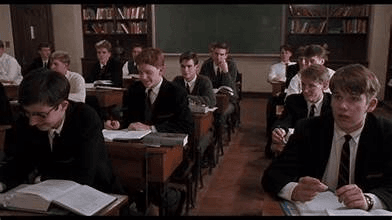
You can help your child through stress and build emotional resilience. Be attuned to the emotional stresses that he or she faces academically and socially. Encourage your child to talk about his or her emotions, ensuring that you are present to listen and support where needed with no judgment.
Practical Parenting Tip:
Encourage your child to share feelings and thoughts about school with you regularly. Questions as simple as "How are you feeling about school lately?" or "Is there anything on your mind lately?" might open the door to important conversations. Also, teach healthy ways to manage stress, such as time management, mindfulness, and seeking support when necessary.
7. Lend your Hand, But Don’t Let to Lean on!
“One of the most powerful scenes in Dead Poets Society takes place when students stand up on their desks against the rigid educational system as a symbol to show their newfound courage to speak out. This is an act of rebellion, not against the abandonment of authority, but quite the opposite-reclaiming their agency in life.”

A parent has to balance teaching the child with letting them decide some things on their own. While briefing them on what is expected in terms of responsibility and discipline, avoid being too wordy about all other aspects of their schooling and future.
8. Nurture a Desire to Learn; Not Chasing Grades
One of the strongest messages of Dead Poets Society is that education should instill a love for learning, rather than a pursuit of success.

“John Keating's love for poetry provokes his students' interests and creativeness, teaching them to appreciate the beauty of language and thought rather than rote memorization for exams.”
As parents, you may foster this very same type of love for learning in your child. Rather than exclusively seeking grades or test scores, you can stress the pleasure of finding out about new ideas and exploring the world further through education. Celebrate his or her intellectual curiosity by encouraging the child to pursue knowledge as an end in itself, rather than solely for academic praise or rewards.
Practical Parenting Tip:
Take an active interest in what your child is learning. Ask them to explain concepts they find fascinating or discuss books they're reading. This helps them remember that learning is an exciting, lifelong process, not just something to be done in school.
9. Conclusion – Avoid the Tragedy of Unfulfilled Potential
Dead Poets Society delivers a powerful lesson not only in the beauty of education but also in the consequences of suppressing individuality and passion.
“The tragic end of the movie-Neil Perry's death-is also a strong reminder of what can be expected when a dream is dismissed or suffocated under the weight of rigid expectations that a young person must live up to. His father, well-intentioned as he may be, represents the dangers of controlling a child's future to the point of breaking his spirit.
The most important lesson that parents can take away from this tragedy is to listen to their child and respect his dreams, even if they are different from yours. Your child needs an environment where he will not be afraid of disappointing you by sharing his desires and aspirations.