
1. When Math Became a Revolution
Ever heard of a rough East Los Angeles inner-city high school, a classroom filled with students the system has abandoned, and one Bolivian immigrant teacher who refuses to abandon them?
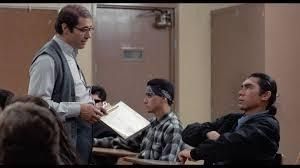
Stand and Deliver (1988) is more than a movie; it's a rallying cry for anyone who's ever been written off, a testament to the power of belief, and a blueprint for educational revolution. Undoubtedly, this movie is more than a retro favorite; it's a challenge to reimagine what is possible in education, equity, and individual aspiration.
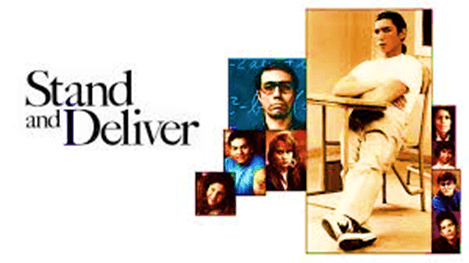
2. The True Story Behind the Movie
At the center of Stand and Deliver is the real story of Jaime Escalante, a mathematics instructor at Garfield High School.
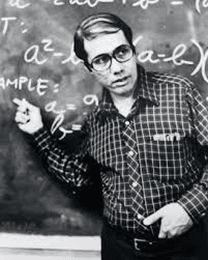
In the late 1970s and early 1980s, Garfield was a school in crisis, plagued by low test scores, high dropout rates, and a reputation for failure. Escalante, a recent immigrant from Bolivia, didn't view it as a lost cause but as untapped potential. He believed that with the right motivation and support, his students, mostly from working-class Latino families, could conquer the toughest subject in the curriculum: AP Calculus.
3. Plot Summary ~ Ganas, Grit, and the Calculus Crusade

The film starts with Escalante's early days at Garfield, where he is asked to teach mathematics rather than computers (the school has none). His students are alienated, suspicious, and more familiar with survival on the streets than with academic success.
But Escalante offers something new: Ganas, which is the Spanish word for desire, drive, and willpower. He tells his students, "You only need Ganas," and sets out to make it so.
Watch "All We Need is Ganas Scene"

Through humor, real-life examples, and unwavering encouragement, Escalante transforms his class. He convinces his students to give up their summer, take extra sessions, and learn material most never thought they'd attempt.

The payoff is when 18 of his students take the AP Calculus test, and every one of them passes.
Instead of elation, though, they're accused of cheating, simply because no one can accept that students from Garfield could have succeeded that far. The students sit the exam again under supervision and pass again, silencing the skeptics and rewriting history.
4. Jaime Escalante ~ The Teacher Who Would Not Quit
Escalante's teaching style was anything but conventional. He was demanding, formidable, and tough, but never anything less than fervent about his students' success. He used humor, props, and even a meat cleaver and an apple to teach fractions. He chastised parents, had after-school and Saturday sessions, and made his students believe they could do the impossible.

His mantra: "Students will rise to the level that is expected of them."
Escalante's approach was founded on high expectations, personalized attention, and no excuses. He did not just teach math; he taught perseverance, self-worth, and the value of hard work. His students called him "Kemo Sabe", the man who knows. Actually, in some interpretations, Kemosabe represents the “Trusted Friend”, and also the connotation of someone who has your back when facing an enemy.
5. Math~ More Than Numbers
Stand and Deliver is not a film about solving equations by rote or acing tests. It's about the redemptive power of math as a tool of social mobility and empowerment. Escalante's students learned calculus, but they learned to challenge stereotypes, resist expectations, and lay claim to the world.
For you guys, the film is a reminder that math is not just an academic hurdle; it’s a language of opportunity. Whether you’re majoring in engineering, economics, or the arts, the ability to think critically, solve problems, and persist through difficulty is invaluable.
6. The AP Calculus Miracle ~ Fact vs. Fiction
The real story is greater than the film. Escalante didn't just turn around a single class; he built a pipeline. By 1988, Garfield High achieved something extraordinary. By 1998, 443 students took AP exams and 266 passed, a level of success rarely seen at any school, especially one facing such challenges. The rate of drop-outs decreased, and college admissions skyrocketed. Escalante's methods were a model followed nationwide, and he was hailed by presidents and educators.
Watch the "What's Calculus? Scene"
7. The Cheating Scandal ~ Racism and Resilience
One of the most dramatic points in this movie is the cheating accusation. The Educational Testing Service (ETS) was unable to conceive that students from a poor, majority-Latino school could pass the AP Calculus test at the same time. Success among the students was suspected. Escalante and his students challenged the accusation, retook the exam, and vindicated their critics.

This episode demonstrates the systemic barriers faced by marginalized students and the strength of educators who battle fiercely for their children. It's a lesson in resilience, dignity, and the fight for educational justice.
8. Teaching Methods ~ Lessons for Today
Escalante's success wasn't magic, but the result of creative, student-centered instruction:
Differentiated Instruction: Escalante used visual aids, real-life applications, and humor to render abstract concepts concrete.
High Expectations: He demanded excellence, assigning hours of homework and after-school lessons, but always believing his students had the potential to excel.
Parental Involvement: He called parents, involved families, and built a support network.
Relentless Support: Escalante tutored failing students before and after school, never leaving anyone behind.
Cultural Relevance: He made math relevant to his students' lives, relating learning to their world.
9. The Legacy of the Film ~ Changing the Narrative
Stand and Deliver was a phenomenon, inspiring teachers, students, and policymakers across the country. It shattered stereotypes about Latino students, urban schools, and the potential of public education. The message of the film, that talent and brains are everywhere, but opportunity is not, was just as relevant in 1988 as it is today.
The movie also sparked debates on educational equality, standardised testing, and teachers as change agents. For many, it was the first time they had ever witnessed a Latino teacher and students being portrayed as heroes in a film.
Awards and Accolades
Stand and Deliver was widely acclaimed and received numerous awards, including:

10. Critiques and Controversies
Despite Stand and Deliver being idolized for its inspirational message, it is not without its criticisms. Some scholars feel that the film oversimplifies the problems of underprivileged students and places too great an emphasis on individual effort instead of institutional change. Others point out that while the film opened doors for Latino representation, it still relies on some stereotypes.
But the film's enduring legacy is its insistence that all students, regardless of background, deserve access to rigorous education and the chance to excel.
11. The Lessons Resonate in Your Classroom
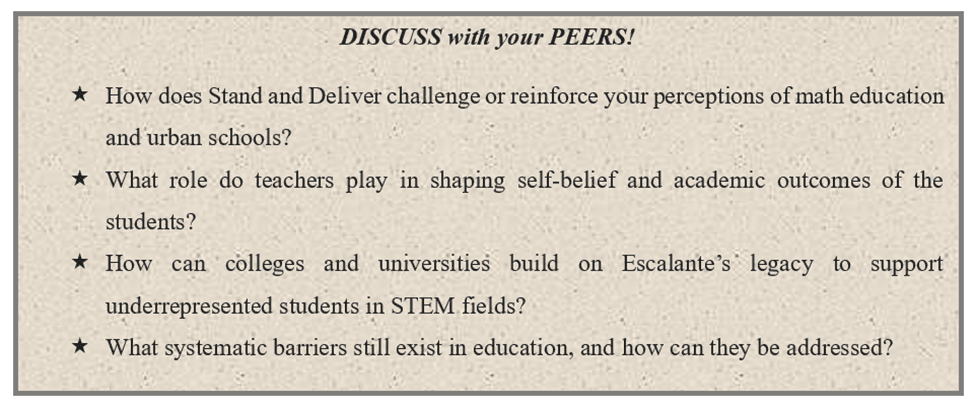
Equity in Education: The film is a call to action for future educators, policymakers, and advocates to fight for fair access to quality education.
Resilience and Grit: Escalante’s students faced poverty, discrimination, and low expectations, but they triumphed through hard work and belief in themselves.
The Power of Mentorship: One dedicated teacher can change lives. Whether you’re a future teacher, mentor, or leader, your influence matters.
Challenging Stereotypes: The film encourages us to look beyond labels and see the potential in every individual.
12. The Legacy of Jaime Escalante
Jaime Escalante's story did not stop there with the film. He continued to teach, motivate, and struggle for educational excellence until his retirement. His method was studied, duplicated, and celebrated worldwide. Escalante's mantra, Ganas is still a rallying cry for anyone struggling against the odds to be great.
13. Conclusion: Stand, Deliver, and Dream Big
Stand and Deliver is more than a movie; it's a cause. It's proof that education is the great leveler, that believing can move mountains, and that one person's passion can ignite a revolution. To American college students, the movie is a mirror and a beacon: it shows us the concerns of our times and illuminates the way forward.
So, in your own path of learning, remember Escalante's lesson: anything can be done with ganas. Hold your head high, try your hardest, and have no one ever tell you what you cannot do.
So, you’ve just finished reading out the gist of the Stand and Deliver spoiling up with some movie clips! Go and watch it with the crystal clear view you got by reading!